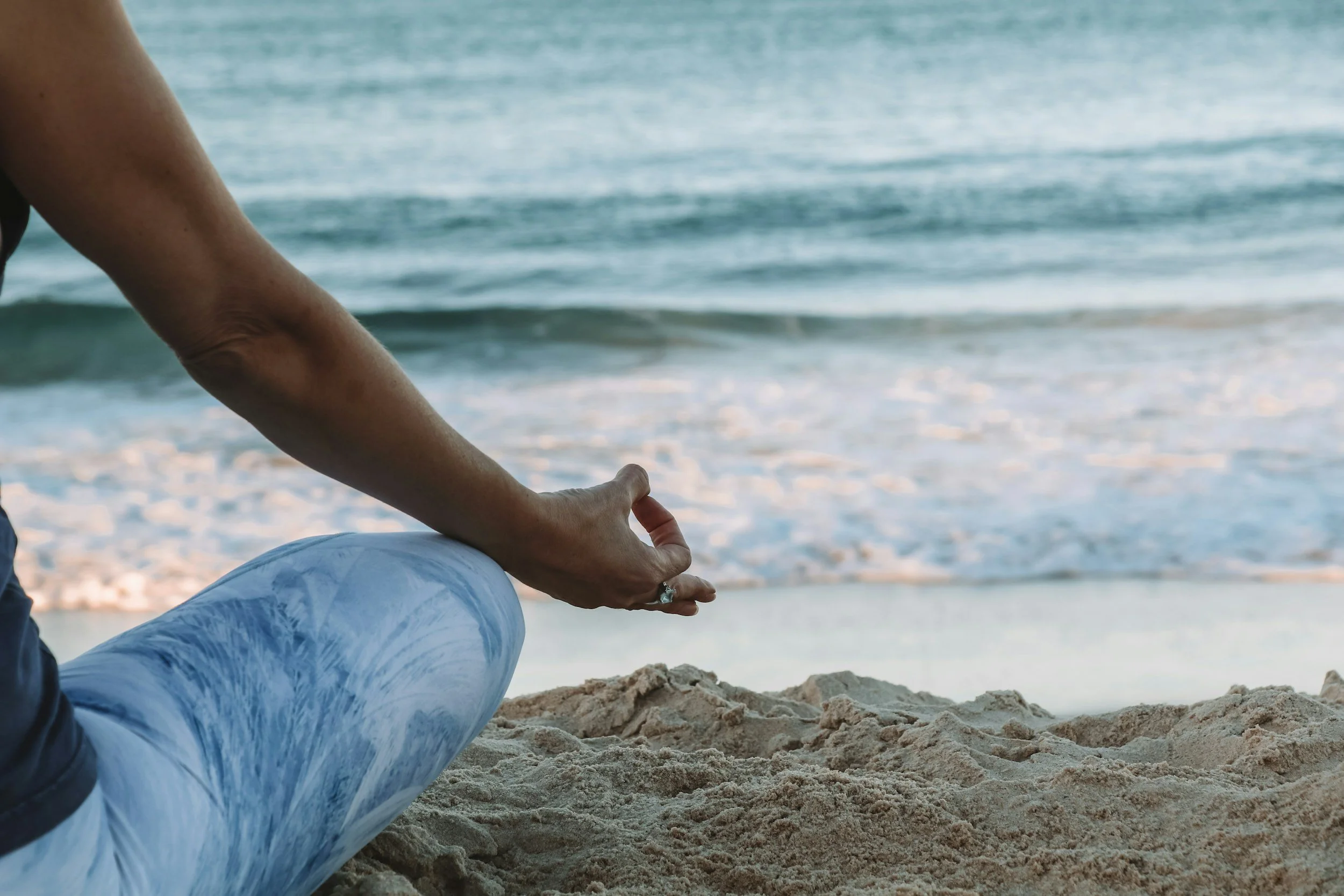
How Anchoring Techniques Can Support Calm in Everyday Life
Anchoring techniques can offer a simple way to reconnect with calm, steadiness and choice in everyday life. This article explores how anchors work, how they may support emotional regulation, and why small repeated cues can become useful tools during stressful moments.
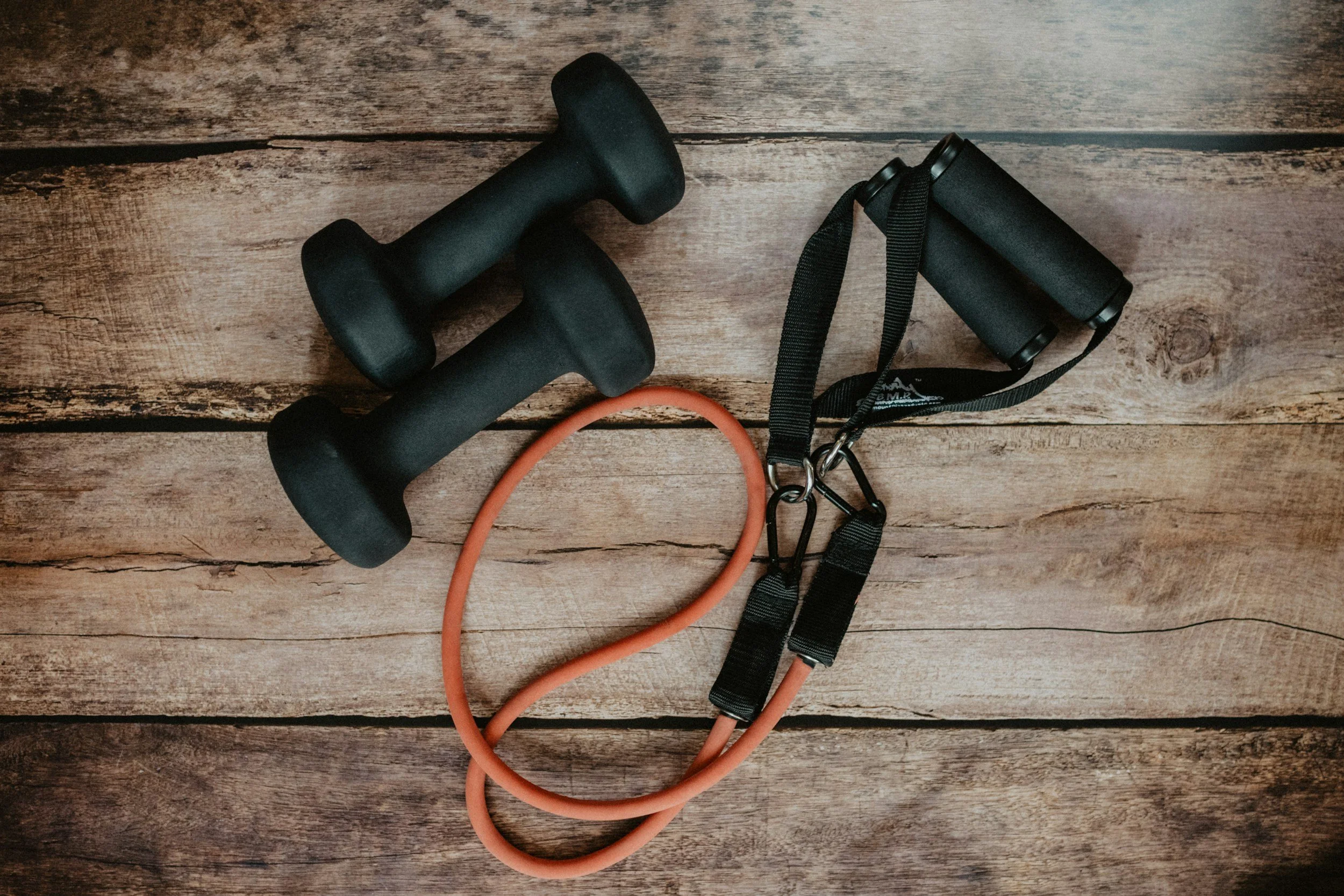
Hypnotherapy After Exercise: Supporting the Body to Calm, Reset, and Recover
An anonymised client story exploring how hypnotherapy supported one client in calming the body and mind after exercise. This story shares how personalised relaxation, visualisation and suggestion work helped create a clearer transition from physical effort into rest, reset and recovery.

Hypnotherapy for Fear of Driving: Rebuilding Calm and Confidence on the Road
An anonymised client story exploring how hypnotherapy supported fear of driving and anxiety around not feeling in control on the road. This story shares how personalised tools, calming anchors and visualisation helped one client build steadiness, confidence and a calmer relationship with driving.
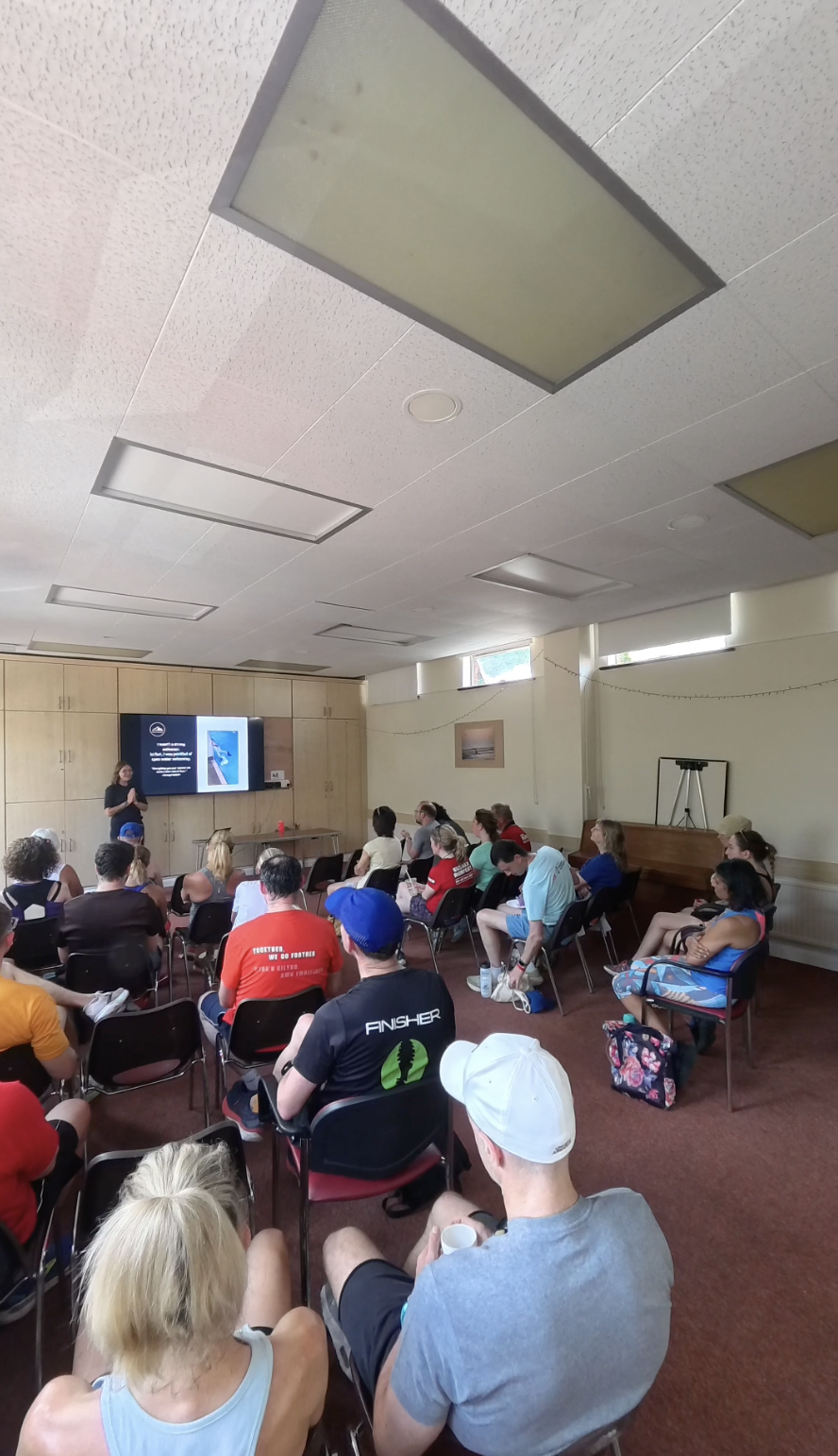
Opening Sussex RunFest with a Race Day Simulation Guided Meditation
A reflection on opening Sussex RunFest with a Race Day Simulation Guided Meditation for around 30 runners. This article explores the positive emotion, goosebumps and self-trust that came from mentally rehearsing race day — and how personalised hypnotherapy can support runners with confidence, nerves and mental preparation.

Hypnotherapy for Marathon Confidence: An Edinburgh Marathon Client Story
An anonymised client story exploring how hypnotherapy supported marathon confidence, race day nerves, and self-trust ahead of the Edinburgh Marathon. This story shares how one session helped a runner feel calmer, more focused and more prepared for their longest running challenge so far.

Why I Use Plants in My Hypnotherapy Images
If you have spent time on my website or social media, you may have noticed that I use a lot of plants and nature-inspired imagery.
Leaves.
Soft greens.
Natural textures.
Grounded, quiet spaces.
That is intentional.

Hypnotherapy for Athletic Performance: Race Day Calm, Confidence and Focus
Race day is not just physical.
Of course, training matters. Strength matters. Fitness matters. Nutrition, recovery, pacing, kit, sleep, and preparation all matter.
But any athlete knows that performance is not only about the body.
Your mind comes with you too.

What If I Find It Hard to Relax During Hypnotherapy?
One of the most common worries people have before starting hypnotherapy is:
“What if I can’t relax?”
Maybe your mind feels busy.
Maybe your body finds it hard to switch off.
Maybe you overthink.
Maybe you feel anxious about doing it “right”.
Maybe you worry that if you do not feel deeply relaxed, hypnotherapy will not work.
If this is you, please know this: you do not need to relax perfectly for hypnotherapy to be helpful.

Will Hypnotherapy Fix Me?
Can hypnotherapy fix you? A gentle, honest look at how hypnotherapy supports change, why readiness matters, and why practice and personalised recordings are part of the process.

What Happens in a First Hypnotherapy Session?
Starting hypnotherapy for the first time can feel exciting, but it can also bring up questions.
Will I still be in control?
What if I cannot relax?
What if I do not know what to say?
What if hypnosis does not work for me?
These are completely normal questions.
Hypnotherapy for Fears and Phobias: A Gentle Approach
Fears and phobias can feel incredibly frustrating.
Logically, you may understand that you are not in immediate danger. But your body may still react as though you are.
This is one of the reasons fears and phobias can feel so difficult to manage. They are not just thoughts. They can involve the whole nervous system: racing thoughts, tension, nausea, panic, avoidance, dread, or a strong urge to escape.
Hypnotherapy offers a gentle way to work with both the mind and body.

Hypnotherapy for Confidence and Self-Trust
Confidence is not always loud.
It is not always about feeling fearless, bold, or completely certain.
Sometimes confidence is much quieter than that.
It can be the ability to make a decision and trust yourself.
The ability to speak honestly.
The ability to try something new.
The ability to stop overthinking every possible outcome.
The ability to know that even if things feel uncertain, you can handle what comes next.

Hypnotherapy for Healthy Eating Habits: A Gentle Way to Change Your Relationship with Food
Changing eating habits is rarely just about knowing what to eat.
Many people already know the basics of healthy eating. They know they would like to feel more balanced, eat more nourishing foods, reduce emotional snacking, or feel calmer around sugar, chocolate, crisps, or comfort food.
But knowing what to do and actually doing it are not always the same thing.

Online Hypnotherapy: Can It Still Feel Personal and Supportive?
When people first hear about online hypnotherapy, they sometimes wonder whether it can feel as personal or effective as being in the same room.
It is a very understandable question.
Hypnotherapy is such a gentle and personal process, and many people want to feel reassured that they will still feel supported, safe, and connected if the session takes place over Zoom.

Hypnotherapy for Anxiety: What to Expect
Anxiety can feel exhausting. It can affect your thoughts, your body, your sleep, your confidence, and the way you move through everyday life. Sometimes anxiety shows up as racing thoughts. Sometimes it feels more physical — tightness, restlessness, nausea, panic, or a constant sense of being on edge.
Hypnotherapy offers a gentle way to work with the mind and body together.

What Is a Safe Place Visualisation?
A safe place visualisation is one of the most gentle and supportive tools we can use in hypnotherapy.
It involves creating an inner place in your imagination where you can feel calmer, steadier, and more supported. This place might be somewhere real, somewhere imagined, somewhere in nature, or somewhere completely symbolic. There is no right or wrong version.

Hypnotherapy for Fear of Flying
Fear of flying can be incredibly frustrating, especially when part of you wants to travel, visit loved ones, go on holiday, or take an important trip — but another part of you feels overwhelmed by the idea of the airport, the plane, the height, the lack of control, turbulence, or feeling trapped.
Hypnotherapy can be a supportive way to work with fear of flying because it helps the mind and body rehearse a different experience before the day arrives.